For anyone dealing with a tooth injury, severe pain, or swelling, fast action protects your smile and lowers your risk of infection. An emergency dentist can help you stabilize the problem, relieve pain, and prevent long-term damage. Knowing what to do in the first hour makes handling a dental crisis less stressful and more effective.
Having a cracked tooth during lunch, your child's tooth gets knocked loose at soccer practice, or sudden, sharp pain keeps you awake at 2 a.m, dental problems rarely wait for a convenient time.
A true dental emergency can get worse fast. Pain can spike, and swelling can spread. Plus, a tooth can become harder to save.
Urgent dental help gives you a clear plan, quick relief, and the best chance to protect your teeth. You need guidance you can trust.
Philadelphia emergency dental care is not only about "fixing a tooth." It is about protecting your health and your peace of mind.
What Counts as a Dental Emergency?
A dental emergency involves pain, bleeding, swelling, trauma, or infection that should not wait for a routine visit. Some issues feel small at first but can turn serious.
Common signs of a true emergency include:
- Severe toothache that does not improve
- Facial swelling or gum swelling
- Bleeding that will not stop
- A broken, cracked, or knocked-out tooth
- A loose adult tooth
- A bad taste, or signs of infection
- Fever with dental pain or swelling
Pain is a signal, and swelling is a warning. Emergency dental advice helps you respond the right way before the situation gets worse.
Should You Go to the ER or an Emergency Dentist?
A hospital ER can be the right choice for life-threatening symptoms. However, most dental problems need dental:
Go to the ER right away if you have:
- Trouble breathing or swallowing
- Severe facial swelling spreading toward the eye or neck
- Heavy bleeding that will not stop
- A serious injury to the face or jaw
Choose an emergency dentist for:
- Toothaches and dental infections
- Broken teeth and lost fillings
- Knocked-out or loose teeth
- Gum swelling and abscess concerns
Philadelphia emergency dental care treats the source of the problem, not only the symptoms.
Why Dental Emergencies Need Fast Action
A dental crisis can become more expensive and more painful when delayed. The following can happen:
- Infection can spread.
- Cracks can deepen.
- Nerve pain can increase.
Quick treatment often means more options. A tooth may be saved instead of removed. Pain may be controlled before it becomes severe.
Delaying care can lead to:
- Worsening infection
- Increased swelling and pressure
- More complex treatment needs
- Higher costs
- Missed work and school
Handling a dental crisis starts with understanding urgency. Your next step should always protect your health first.
The Most Common Dental Emergencies in Northeast Philadelphia
Dental emergencies come in many forms. Some happen suddenly. Others build over days.
Severe Toothache
A strong toothache may signal decay, a cracked tooth, gum disease, or infection. Pain that wakes you up or worsens with pressure needs urgent dental help.
Broken or Cracked Tooth
A crack can expose sensitive layers of the tooth. Chewing may become painful. Hot and cold foods may trigger sharp pain.
A cracked tooth can also become infected. Emergency dental advice helps you avoid making the crack worse.
Knocked-Out Tooth
A knocked-out adult tooth is one of the most time-sensitive emergencies. The best chance to save the tooth often happens within the first hour.
Loose Adult Tooth
Adult teeth should never feel loose. Trauma or infection may be the cause. A loose tooth can sometimes be stabilized with fast care.
Lost Filling or Crown
A missing crown or filling can expose sensitive tooth structure. Pain can increase and the tooth can fracture more easily.
Dental Abscess or Infection
An abscess may cause swelling, fever, a bad taste, or pus, and the infection can spread beyond the tooth.
A dental infection is not something to "wait out." Treatment protects your health.
First-Aid Steps: What to Do in the First 15 Minutes
Staying calm helps you think clearly. Simple steps can reduce pain and protect the area until you get professional care.
Use these first-aid tips:
- Rinse gently with warm salt water
- Apply a cold compress to the outside of the cheek
- Take over-the-counter pain relief as directed
- Keep the area clean
- Avoid chewing on the affected side
Avoid these common mistakes:
- Do not place aspirin directly on the gums
- Do not use sharp objects to "pick" at the tooth
- Do not ignore swelling
What to Do for Specific Dental Emergencies
Different emergencies need different actions. Quick choices can improve your outcome.
If You Have a Toothache
Toothaches often come from inflammation or infection. Here are some steps to take:
- Rinse with warm salt water
- Floss gently to remove trapped food
- Use a cold compress for swelling
- Avoid extreme hot or cold foods
Call for urgent dental help if pain becomes severe, spreads, or includes swelling.
If You Crack or Break a Tooth
A cracked tooth may not always hurt right away. A break often causes sharp edges.
Steps to take:
- Rinse gently
- Save any broken pieces if possible
- Cover sharp edges with dental wax if available
- Avoid chewing on that side
An emergency dentist can evaluate the damage and protect the tooth.
If a Tooth Gets Knocked Out
When a tooth is knocked out, time matters. Here are some initial steps to take to help save the tooth:
- Pick up the tooth by the crown, not the root
- Rinse quickly with water if dirty
- Place the tooth back in the socket if possible
- Store the tooth in milk if reinsertion is not possible
- Get emergency dental care immediately
Fast action can save the tooth.
If You Lose a Crown or Filling
Exposed tooth structure can be sensitive. Steps to take:
- Keep the crown if it came out
- Rinse and keep the area clean
- Avoid sticky foods
A dentist can restore the crown or replace it to protect the tooth.
If You Have Swelling or Suspect an Abscess
Swelling can signal infection. Steps to take:
- Use a cold compress
- Rinse with salt water
- Avoid heat on the face
- Seek urgent dental help fast
Fever, spreading swelling, or trouble swallowing needs immediate attention.
How an Emergency Dentist Helps During a Dental Crisis
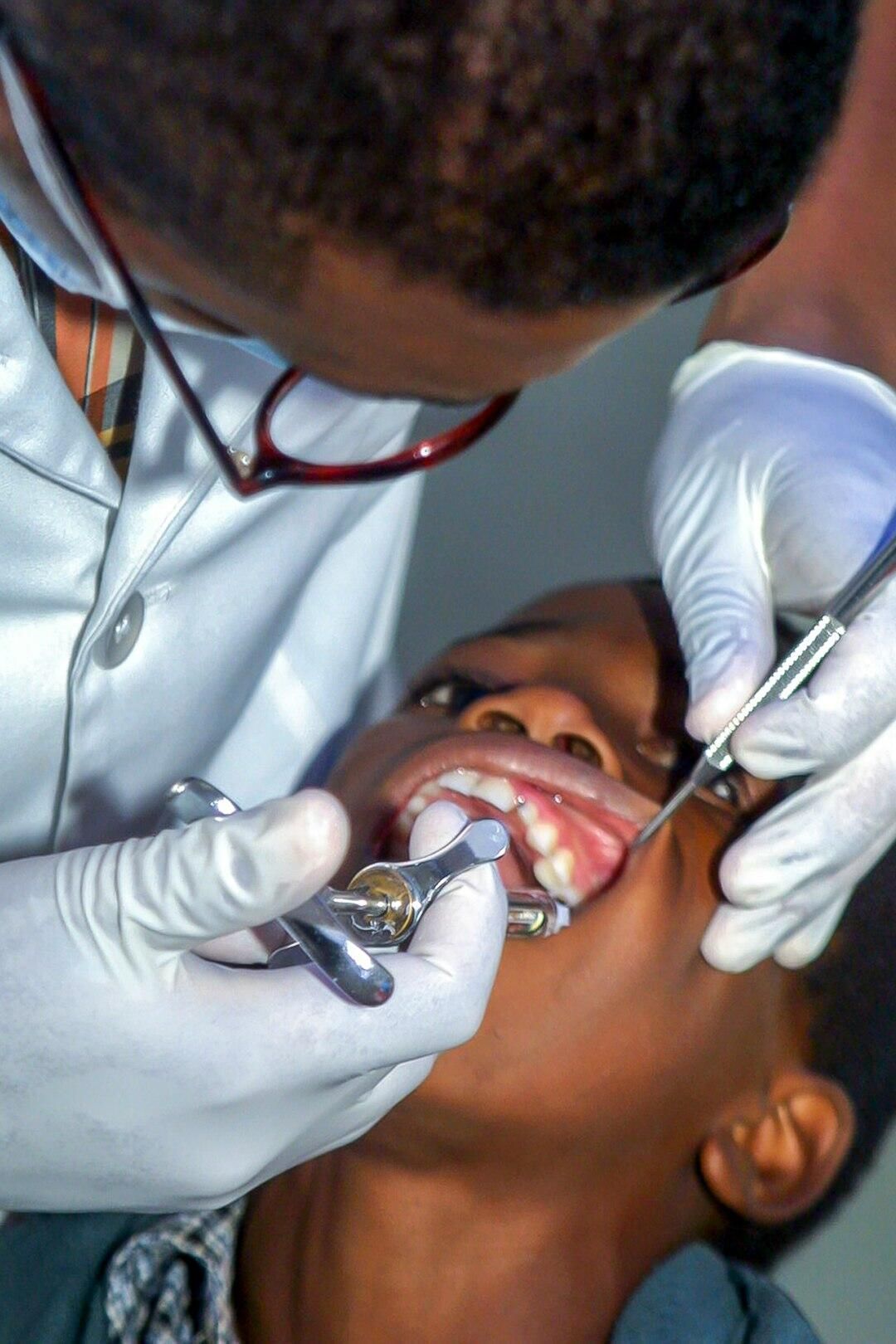
An emergency visit focuses on pain relief, diagnosis, and stabilization.
A dental team may:
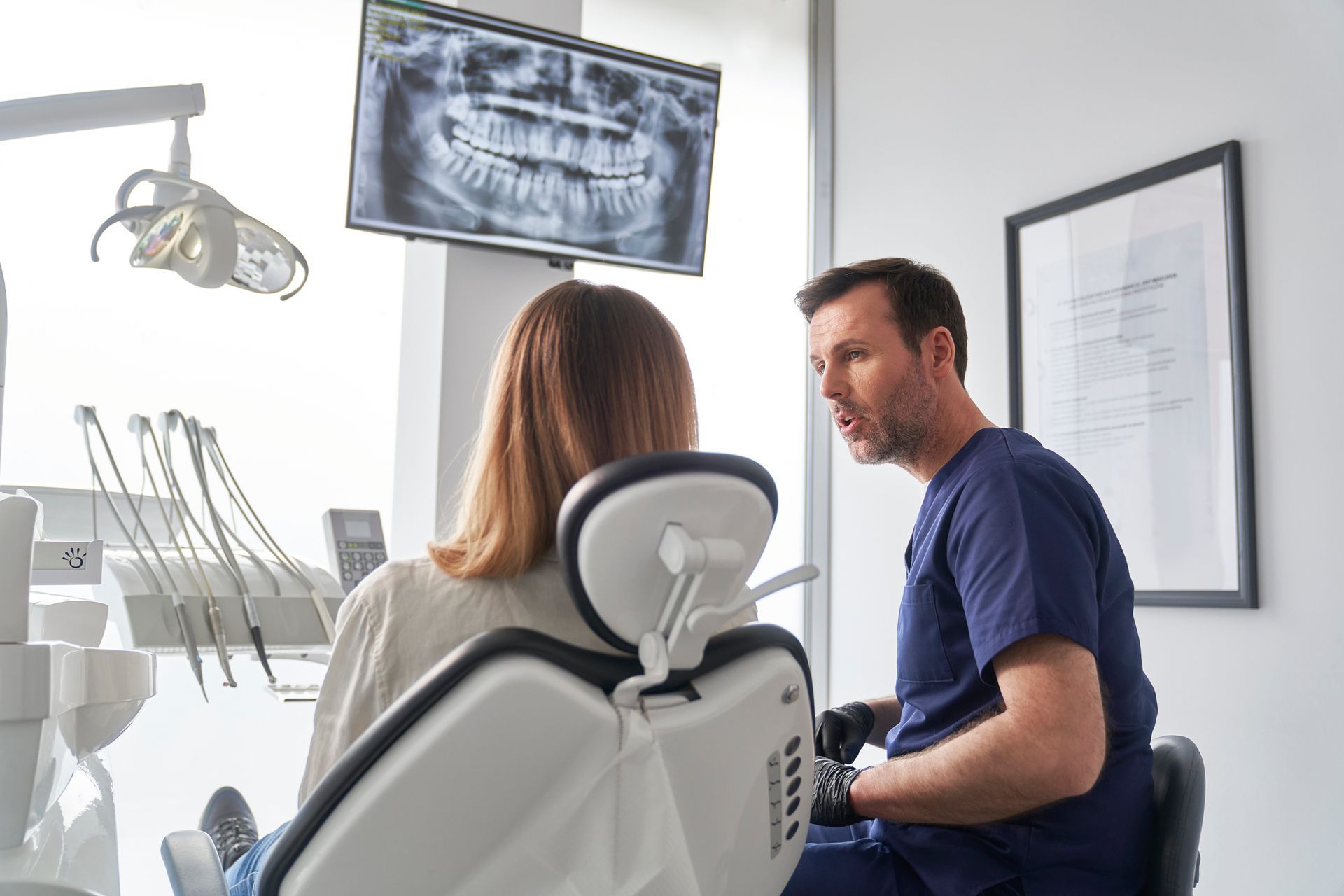
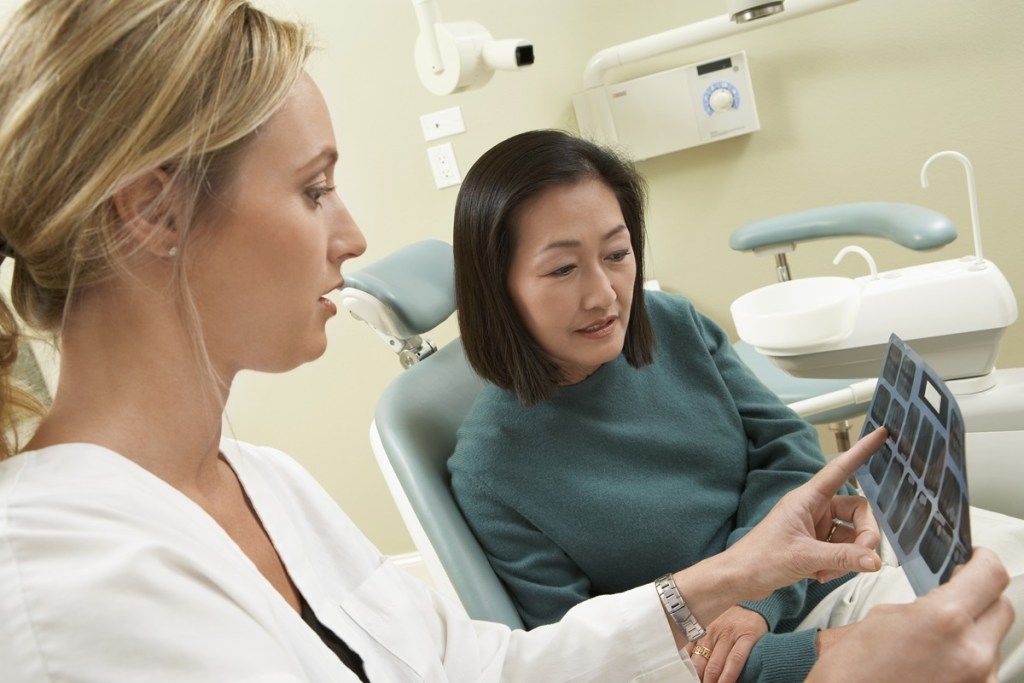
- Take X-rays to find the cause
- Treat infection and swelling
- Repair a cracked or broken tooth
- Re-cement a crown or replace a filling
- Provide treatment to relieve nerve pain
How to Prevent a Dental Emergency in the Future
Some emergencies are accidents. Many can be prevented with early care.
Helpful prevention steps include:
- Regular dental exams and cleanings
- Wearing a mouthguard for sports
- Avoiding chewing ice and hard candy
- Treating cavities early
- Addressing tooth sensitivity before it worsens
Choosing Philadelphia Emergency Dental Care You Can Trust
When a dental crisis hits, trust matters. You need clear communication, modern tools, and a team that treats you with respect.
Look for a practice that offers:
- Same-day emergency appointments when possible
- Clear guidance over the phone
- Treatment focused on comfort and safety
- A plan for long-term care after the emergency
In Northeast Philadelphia, families often want a single dental home for both urgent and routine needs.
Frequently Asked Questions
How Do You Know If Tooth Pain Is Serious Enough for an Emergency Dentist?
Severe pain, pain that lasts more than a day, or pain paired with swelling should be treated as urgent.
Sharp pain when biting can signal a crack. Throbbing pain can signal infection. Pain that spreads to the jaw, ear, or head may also mean inflammation has reached deeper areas.
A good rule helps: If sleep, eating, or focus becomes difficult, seek urgent dental help.
Can a Dental Infection Make You Sick Beyond Your Mouth?
Yes, a tooth infection can affect more than the tooth. Bacteria can spread into the gums and surrounding tissues. Swelling can increase pressure and pain.
Some infections may spread into the jaw or facial spaces. Fever, fatigue, and facial swelling are serious warning signs.
A bad taste in the mouth or pus near the tooth can also signal an abscess that needs fast care. Getting treated early can prevent the infection from spreading and may help save the tooth. Quick emergency dental advice and treatment can reduce these risks and protect your overall health.
What Should You Bring to an Emergency Dental Appointment?
Bring a photo ID, insurance information, and a list of medications. Share allergy information and recent medical history. Bring the knocked-out tooth or broken tooth pieces if possible.
Write down symptoms and timing so details stay clear under stress. Preparing helps the emergency dentist move faster and make better treatment decisions.
Request an Appointment With an Emergency Dentist in Northeast Philadelphia
A dental crisis can feel overwhelming, but quick action makes a difference. An emergency dentist can relieve pain, treat infection, and protect your smile before the problem grows.
360 Dental PC supports Northeast Philadelphia families and working adults with responsive emergency care and clear next steps. Patient privacy and safe care practices remain a priority, and the team works to help you feel informed and comfortable during stressful moments.
If you need help right now, do not wait. Request an appointment today and get the expert support you need for fast relief and long-term protection.