Dental implants are often considered the preferred alternative to traditional dentures because they provide a more natural appearance, greater stability, and long-term support for jawbone health. Unlike removable dentures, implants are anchored into the jaw, allowing them to function much like real teeth. For many patients exploring dentures vs. implants, these advantages make dental implants a reliable, long-lasting tooth-replacement option.
If you're missing teeth or weighing different dental health options, you might wonder whether dentures or implants are the better choice. Today, we're taking a closer look at the key benefits of dental implants, including their appearance, stability, and why many patients choose dental implants when deciding how to restore their smile.
Do Dental Implants Look Better Than Dentures?
Many patients want a replacement option that looks natural and blends with their smile.
Dental implants often meet that goal more easily than traditional dentures because implants provide:
- Natural tooth appearance
- Better facial support
- Greater confidence when smiling
Natural Tooth Appearance
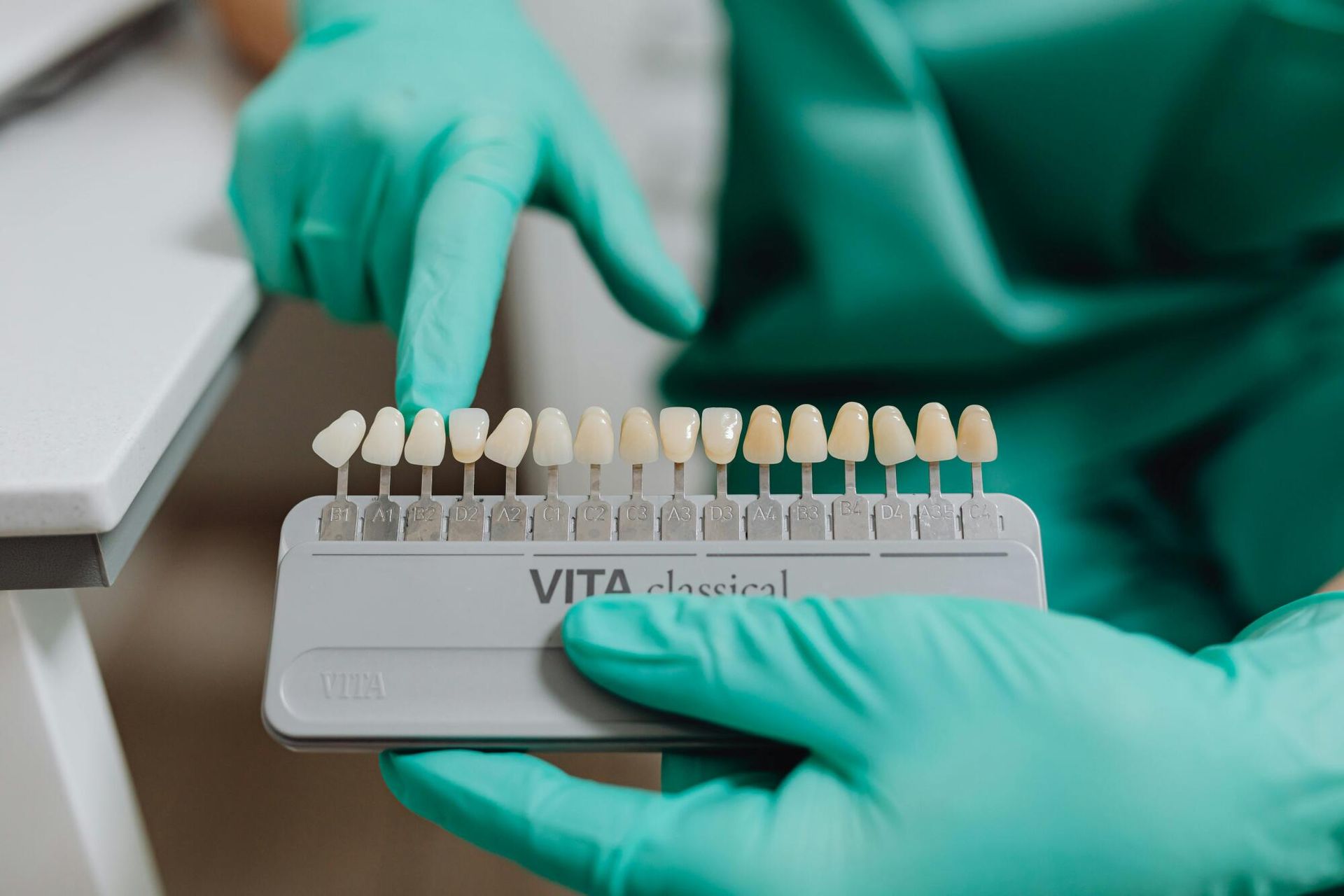
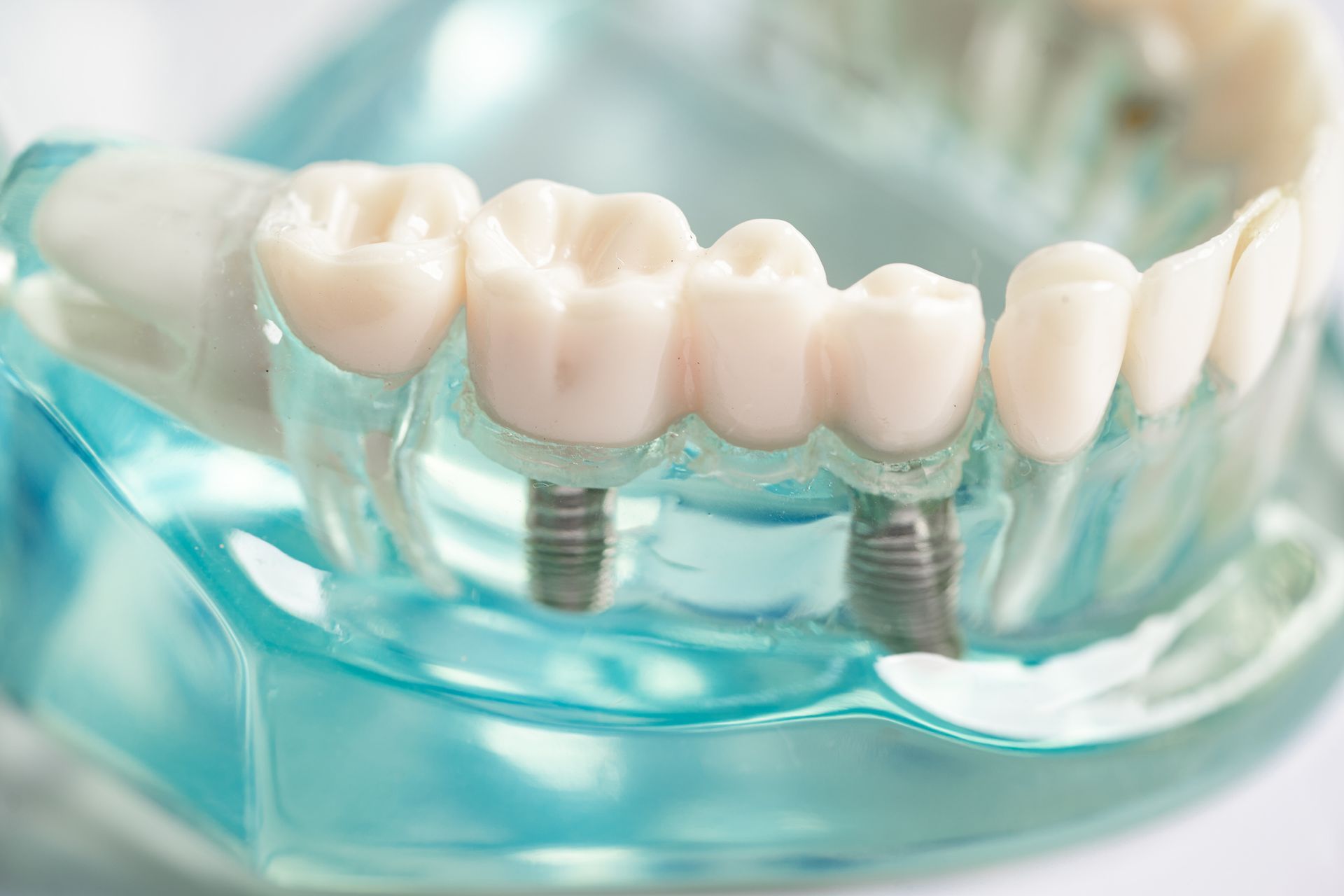
Dental implants are designed to look like real teeth. A small titanium post sits in the jawbone and supports a custom crown. Dentists shape and color the crown so it matches nearby teeth.
The result often blends smoothly with the rest of the smile.
Dentures can look good, yet they often cover more of the gums and may appear slightly bulky.
Patients usually notice the difference when they speak or laugh, which is one of the many reasons that patients seeking dental care in Philadelphia choose implants over dentures.
Better Facial Support
Missing teeth can change the way the face looks over time, and dentures only rest on the gums, which does not stimulate the jawbone.
Bone loss may follow, leading to a sunken look around the mouth. Dental implants stimulate the jawbone and help maintain facial shape. Many dentists highlight this benefit when discussing implants with patients.
Greater Confidence When Smiling
Confidence often
improves with dental implants. The crowns stay fixed in place, which allows people to smile and speak without worrying about movement.
Dentures may shift during daily use, which can affect comfort and self-assurance. When patients review dental health options, confidence often becomes a deciding factor.
Stability And Comfort During Daily Activities
People want a tooth replacement that stays secure during everyday life. Dental implants often provide a level of stability that removable dentures cannot match. Some of the benefits include:
- Secure placement in the jaw
- Less movement while eating and speaking
- Reliable comfort throughout the day
Secure Placement in the Jaw
Dental implants attach directly to the jawbone through a small titanium post. Over time, the bone bonds with the implant and holds it firmly in place.
That connection allows the replacement tooth to function in a way that feels close to a natural tooth. Many patients looking into tooth replacement options appreciate that level of stability. A fixed foundation can make daily routines feel more normal.
Less Movement While Eating and Speaking
Traditional dentures rest on the gums and rely on suction or adhesive for support. Some people notice shifting when chewing food or speaking for long periods.
Dental implants remain fixed in the mouth, reducing movement. That stability allows many patients to enjoy meals and conversations with fewer interruptions. Dentists often highlight this benefit when helping patients choose the right dental treatment.
Reliable Comfort Throughout the Day
Comfort matters during work, meals, and social time. Dental implants remain stable during these activities.
Dentures may cause sore spots or pressure on the gums after long use. Patients who visit dental care providers in Philadelphia often learn that implant-supported arches can provide consistent comfort from morning through evening.
Long-Term Oral Health Advantages
Oral health plays a large role in the choice between
dentures vs implants. Dental implants support the jaw and nearby teeth in ways that removable dentures cannot. These include:
- Jawbone stimulation and strength
- Protection for surrounding teeth
- Long-term support for oral structure
Jawbone Stimulation and Strength
Dental implants sit inside the jawbone and act as a replacement for the natural tooth root. That root-like structure keeps the bone active through daily pressure from chewing.
Healthy bone tissue depends on that stimulation. Dentures rest on the gums and do not provide the same support.
Over time, bone tissue can shrink when teeth are missing. That change may affect bite strength and overall dental health options.
Protection for Surrounding Teeth
Dental implants stand on their own without relying on nearby teeth. Each implant works as an independent support for the crown placed on top.
Natural teeth remain untouched during treatment. Some tooth replacement methods require support from neighbouring teeth, which can place extra stress on them. Many patients considering dental health options prefer a solution that protects their remaining teeth.
Long-Term Support for Oral Structure
Jawbone loss can slowly change the shape of the mouth and face. Dental implants help maintain the structure of the jaw over time.
That support helps keep the bite balanced and stable.
Dental Implants and Long-Term Value
Dental implants are designed to remain in place for many years. The titanium post integrates with the jawbone and forms a strong base for the crown.
With proper care, implants can serve patients for decades. Regular brushing, flossing, and routine dental visits help protect the implant and surrounding tissue.
Fewer Adjustments Over Time
Dentures may need periodic adjustments as the jawbone changes shape. Some patients require relining or replacement after several years of use.
Dental implants stay anchored in the jawbone and remain stable through those natural changes. That stability often reduces the need for ongoing modifications. Patients who choose dental implants often consider the convenience of fewer future adjustments.
Improved Eating And Speech Confidence
Daily habits often shape the way people evaluate dental health options. Eating meals and speaking clearly matter during work, social events, and family time. Many patients compare dentures vs implants while thinking about how each option will affect these everyday activities. Some of the advantages of dental implants include:
- Stronger bite strength
- Clear and natural speech
- Confidence during meals and conversations
Stronger Bite Strength
Dental implants connect directly to the jawbone and form a stable base for the crown. That support allows patients to bite and chew with more strength.
Many foods require firm pressure, including fruits, vegetables, and meats. Dentures may limit some of those foods since they sit on the gums rather than the bone.
Clear and Natural Speech
Speech depends on how the tongue and teeth work together. Dentures may shift slightly during conversation, which can affect pronunciation.
Some patients notice clicking sounds or small movements while speaking. Dental implants remain fixed in place and support normal speech patterns. Many patients who receive implants report clearer speech after treatment.
Confidence During Meals and Conversations
Confidence grows when people feel secure in social settings. Dental implants remain stable during meals and conversations, whereas dentures may require adhesives or adjustments to maintain a secure fit.
Frequently Asked Questions
How Long Do Dental Implants Typically Last?
Dental implants often last many years with proper care. The titanium post that sits in the jawbone can remain stable for decades.
Many patients keep their implants for the rest of their lives. The crown that is placed on top of the implant may need to be replaced after 10 to 15 years due to normal wear.
Daily brushing and flossing help protect the gums around the implant. Regular dental visits allow dentists to monitor the area and address small concerns early. Patients who maintain strong oral hygiene often experience long-lasting benefits from implants.
Who Is a Good Candidate for Dental Implants?
Most healthy adults can qualify for dental implants. Dentists usually check bone density in the jaw and the condition of the gums.
Healthy gum tissue and enough bone support help the implant remain secure.
Some patients may need a bone graft before treatment if bone loss has occurred, and medical history can affect treatment decisions.
Dentists who provide dental care in Philadelphia review overall health before placing implants. Many people exploring dental health options discover they are strong candidates for implants.
Are Dental Implants Painful to Get?
Many patients expect the procedure to be painful, yet most report mild discomfort during recovery. Dentists use
local anesthesia during implant placement, which keeps the area numb during treatment.
Patients often return to normal activities within a few days. Some swelling or soreness may occur while the jaw heals.
Pain usually remains manageable with over-the-counter medications recommended by the dentist, and many people feel surprised by how comfortable the process feels.
Better Philadelphia Dental Care
Dental implants offer a stable, natural-looking solution for people considering dentures vs. implants. They support long-term oral health, improve comfort during daily activities, and provide lasting value.
At 360 Dental PC, our team provides comprehensive dental care for patients throughout Northeast Philadelphia and nearby communities. Led by Dr. Mikhail Sitkovetskiy, we combine years of trusted experience with advanced technology, including digital X-rays, intraoral scanners, and 3D CBCT imaging, for dental implants. Our practice focuses on personalized care, clear communication, and flexible scheduling, including early, evening, and same-day appointments.
Get in touch today to find out how we can help
with your dental health.